Moving to Germany from Bosnia and Herzegovina
Visa pathways including the Western Balkans Regulation, tax obligations, mandatory health insurance, and practical logistics for Bosnian citizens relocating to Germany.
2026-04-17
Visa Pathways for Bosnian Citizens
Bosnian citizens with biometric passports can enter Germany visa-free for up to 90 days within any 180-day period, but may not take up employment during this stay [1]. To live and work in Germany, you need a residence permit obtained through one of several pathways.
Skilled worker visa (Fachkrafteeinwanderung).
If you have a recognized vocational qualification or academic degree and a job offer from a German employer, you can apply for a skilled worker residence permit [2]. Your qualification must be recognized as equivalent to a German credential. The Federal Employment Agency (Bundesagentur fur Arbeit) must approve the employment, verifying that your working conditions match those of comparable German employees. The permit is issued for up to four years.
EU Blue Card.
For university graduates with a job offer meeting the salary threshold of EUR 50,700 per year (or EUR 45,934 for shortage occupations and recent graduates as of 2026), the EU Blue Card offers a faster path to permanent residency [3]. Blue Card holders can apply for a settlement permit after 27 months of employment (or 21 months with B1-level German) [3].
Opportunity Card (Chancenkarte).
Introduced under Section 20a of the Residence Act, the Opportunity Card allows qualified individuals to enter Germany for up to one year to search for employment [4]. You need either a fully recognized qualification or at least 6 points in the points-based system (which awards points for professional experience, language skills, age, and other criteria). While job-searching, you may work part-time up to 20 hours per week.
Western Balkans Regulation.
Germany operates a special employment pathway for citizens of Western Balkans countries, including Bosnia and Herzegovina. This regulation allows Bosnian citizens to obtain a work visa for any type of employment in Germany, provided they have a binding job offer and Federal Employment Agency approval. Unlike the skilled worker pathway, no formal qualification recognition is required. The regulation has been made permanent by the German government.
Settlement permit (Niederlassungserlaubnis).
After holding a residence permit for three years (skilled workers) or 27 months (Blue Card holders with A1 German, or 21 months with B1), you can apply for permanent residency [5]. Requirements include B1-level German, pension contributions for the relevant period, and financial self-sufficiency.
Naturalization.
German citizenship requires five years of legal residence, B1-level German, passing the naturalization test, and financial self-sufficiency [6]. Germany permits dual citizenship, so you would not need to renounce Bosnian nationality [6]. The fee is EUR 255 per adult.
Tax Obligations in Germany
Once you establish tax residency in Germany (by maintaining a dwelling or spending more than six months there), you are subject to German income tax on your worldwide income [1].
German income tax.
Germany uses a progressive tax system with rates rising steeply at higher income levels. A solidarity surcharge applies on top of the income tax. If you register a religious affiliation during your Anmeldung, church tax (Kirchensteuer) is charged at a percentage of your income tax. Register as "konfessionslos" (no religious affiliation) if you do not wish to pay it.
Bosnia-Germany tax treatment.
Germany and Bosnia and Herzegovina have a bilateral agreement on taxation that assigns taxing rights and prevents double taxation through credit or exemption methods [1]. Employment income earned in Germany is taxed by Germany. Any Bosnian-source income (rental property, investments) may also be taxable in Germany as part of your worldwide income, with relief provided under the bilateral agreement.
Social security contributions.
German employees contribute to five mandatory social insurance programs: health insurance, pension (Rentenversicherung), unemployment insurance, long-term care insurance, and accident insurance. Employee contributions total roughly half of the combined rate, with the employer matching. These deductions appear on your payslip (Lohnabrechnung) and are withheld automatically.
Remittances to Bosnia.
Sending money to family in Bosnia is straightforward through standard bank transfers or services like Wise and Western Union. Remittances are not taxed in Germany. However, large or regular transfers may trigger anti-money-laundering reporting requirements at your German bank, so keep documentation of the purpose of transfers.
Tax filing.
Most employees in Germany have their taxes withheld at source (Lohnsteuer) and are not required to file a return unless they have additional income sources, are married with different tax classes, or want to claim deductions. If you do file, the German tax return (Einkommensteuererklarung) is due by the end of September of the following year (or end of February if prepared by a tax advisor, Steuerberater). Tax software like WISO Steuer and Elster (the official online portal) have English-language guidance.
Healthcare and Insurance
Mandatory health insurance.
Health insurance is mandatory in Germany and a prerequisite for your residence permit. You cannot legally live in Germany without it. Germany operates two systems: public (gesetzliche Krankenversicherung, GKV) and private (private Krankenversicherung, PKV).
Public insurance.
Employees earning below the insurance threshold (approximately EUR 69,300/year in 2026) must enroll in public insurance. Premiums are approximately 14.6% of gross salary, split between you and your employer, plus a small additional surcharge that varies by insurer. Coverage includes doctor visits, hospital stays, prescription drugs, mental health treatment, maternity care, and rehabilitation. Non-working spouses and children under 25 are covered free through family insurance (Familienversicherung). Major public insurers include TK (Techniker Krankenkasse), AOK, Barmer, and DAK.
Private insurance.
Available to employees above the income threshold and self-employed individuals. Premiums are based on age and health status, not income. Private insurance offers shorter wait times and broader coverage, but premiums rise with age and each family member needs a separate policy. For most Bosnian employees moving to Germany, public insurance is the practical and more affordable choice.
Transitioning from Bosnian healthcare.
Bosnia and Herzegovina does not have a social security coordination agreement with Germany equivalent to EU Regulation 883/2004. Your Bosnian insurance periods do not automatically count toward German entitlements. Once you start employment in Germany, you enroll in German health insurance from day one. Your employer handles the registration.
Prescription drugs.
Germany uses different brand names for many medications. Bring documentation from your Bosnian doctor listing generic names (International Nonproprietary Names) and dosages. Most common medications are available, though some require a German prescription even if they were available without one in Bosnia.
Dental and vision.
German public insurance covers basic dental care (check-ups, fillings, extractions) but caps contributions toward crowns, bridges, and dentures. Maintaining a "Bonusheft" (dental bonus booklet) with annual check-ups for five consecutive years increases your insurance subsidy. Vision care covers standard eye exams but not corrective lenses for most adults. Many residents add a private supplemental policy (Zahnzusatzversicherung) for better dental coverage.
Not Set on a Destination Yet? Check Out Some of Our Other Country Guides
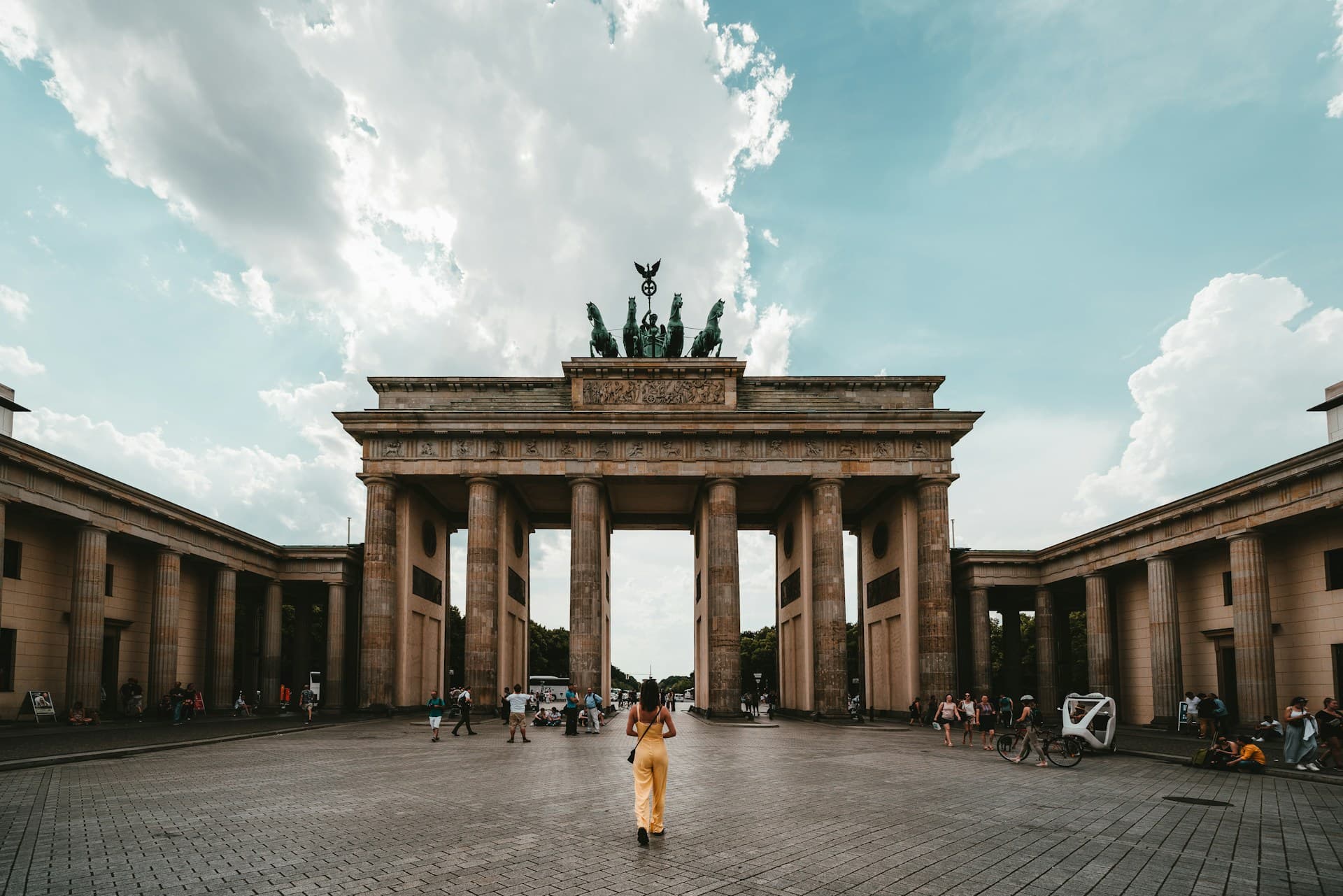
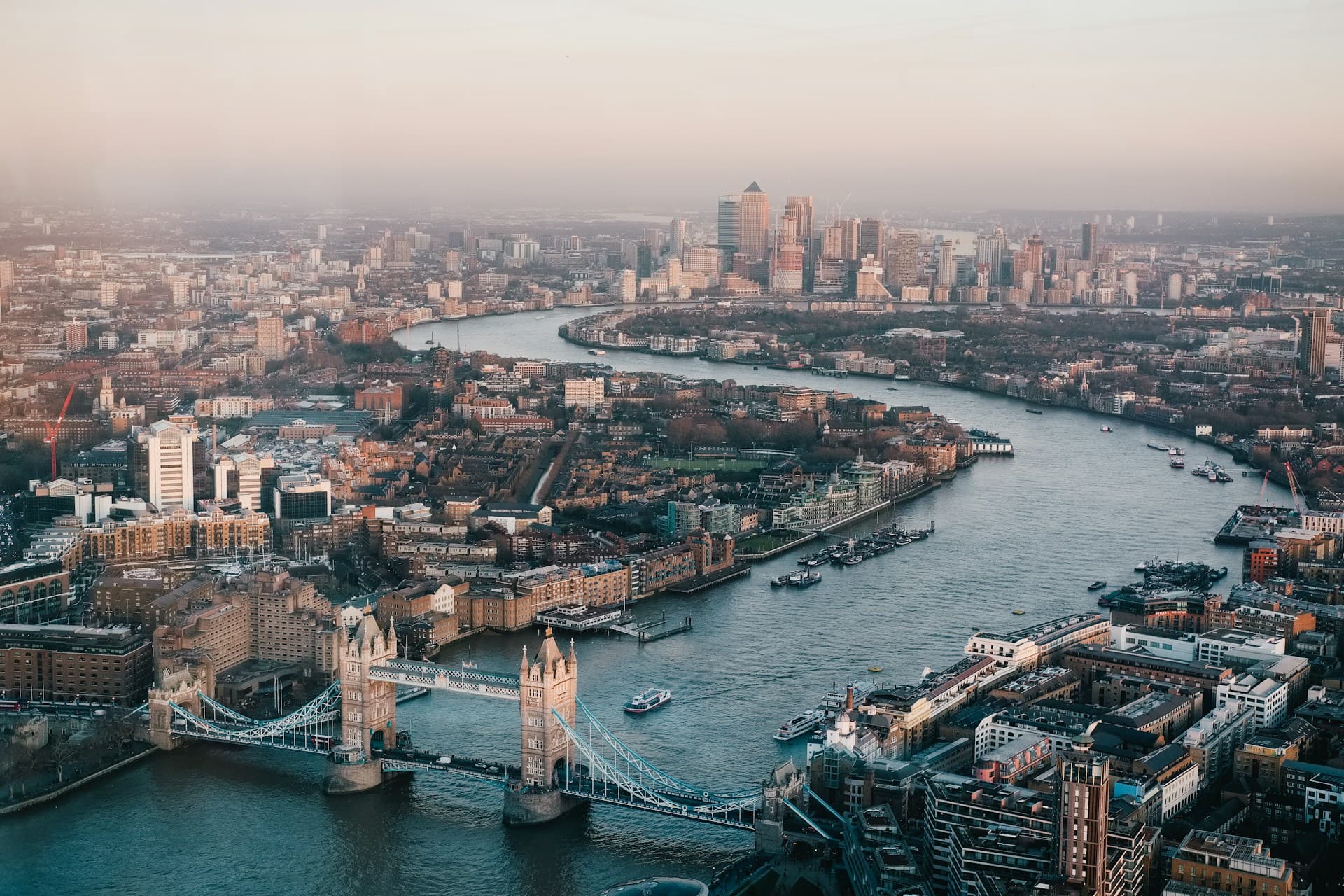

Banking and Finances
Opening a German bank account.
You need a German bank account for salary deposits, rent, and direct debits (Lastschrift). Major banks include Deutsche Bank, Commerzbank, and the local Sparkasse network. Online banks like N26, ING Germany, and DKB offer faster onboarding. To open an account, bring your passport, Anmeldung confirmation, and residence permit (or Fiktionsbescheinigung). N26 can be opened with just a passport and German address.
Schufa credit score.
Germany uses the Schufa credit scoring system. Your Bosnian credit history does not transfer. You start with no record, which is treated as neutral (better than a negative score). Opening a bank account, getting a phone contract, and paying bills on time build your Schufa profile. Landlords request a Schufa-Auskunft from prospective tenants. Request a free copy once per year from meineschufa.de.
Sending money to Bosnia.
The Bosnian convertible mark (BAM) is pegged to the euro at a fixed rate (1 EUR = 1.95583 BAM), which removes exchange rate risk. Transfer services like Wise, Western Union, and Ria operate between Germany and Bosnia. Bank wire transfers work but are slower and more expensive. Many Bosnian workers in Germany send remittances regularly, and the infrastructure for these transfers is well-established.
Pension.
Germany and Bosnia do not have a bilateral social security agreement equivalent to EU coordination rules. Your Bosnian pension contributions are managed under Bosnian law and your German contributions under German law. You may be eligible for pensions from both countries at retirement, but the periods are not aggregated the way they would be between EU member states. Consult a cross-border pension advisor if you have significant contribution periods in both countries.
German retirement contributions.
German employees contribute approximately 9.3% of gross salary to the state pension (Rentenversicherung), with the employer matching 9.3%. These contributions vest after five years of paying into the system. The minimum qualifying period for a German pension is five years of contributions.
Cost of living comparison.
Germany is significantly more expensive than Bosnia, particularly for housing. Salaries are also substantially higher, so most Bosnian workers in Germany experience a net increase in purchasing power despite the higher costs. The Bosnian diaspora in Germany is large (over 300,000 people), which means Bosnian groceries, restaurants, and cultural institutions are available in many German cities.
Moving Logistics
Getting to Germany.
Bosnia and Germany are connected by road (approximately 12-14 hours driving from Sarajevo to Munich) and by air (direct flights from Sarajevo to several German cities). Most Bosnian movers transport household goods by road using moving companies that operate the Balkans-Germany corridor regularly.
Customs and import.
As a non-EU country, Bosnia's border with the EU represents a customs boundary. Personal belongings and household goods shipped as part of a permanent relocation are generally exempt from German customs duties and import VAT under the residence-transfer (Umzugsgut) provision. You need your residence permit, a detailed inventory list, and proof of prior residence in Bosnia. Items must have been owned and used before the move. New or commercial goods are subject to standard duties and VAT.
Driving license.
Bosnia and Herzegovina's driving license is valid in Germany for six months after establishing residency. After that, you must convert it to a German license. Bosnia does not have a reciprocal agreement with Germany for direct license exchange, so conversion requires both a written theory test and a practical driving test. Budget for the test fees and, if needed, additional driving lessons to prepare for German road rules and the theory exam.
Vehicle import.
Bringing a Bosnian-registered car to Germany requires re-registration, a TUV inspection (Hauptuntersuchung), German vehicle insurance, and payment of import duties and VAT (unless the car qualifies for the residence-transfer exemption). Bosnian-spec vehicles may need modifications for EU compliance, including headlight adjustment and emissions verification. Most people sell their car in Bosnia and buy locally in Germany.
Apartments.
Housing in major German cities is competitive. Berlin, Munich, and Frankfurt have vacancy rates below 2%. Landlords request extensive documentation: Schufa-Auskunft, income proof, previous landlord reference, and ID copy. For your first months, a furnished temporary rental through Wunderflats or HousingAnywhere provides time for the permanent search. The Bosnian community in cities like Stuttgart, Munich, Frankfurt, and Berlin can be a helpful resource for finding housing through informal networks.
Pets.
Dogs and cats entering Germany from Bosnia need an ISO-compliant microchip, valid rabies vaccination (at least 21 days before travel), and an EU-format veterinary health certificate. Bosnia is classified as a non-EU country for pet travel purposes, so the rabies antibody titer test may be required. Check the current requirements with the German embassy in Sarajevo before travel.
Cultural Adjustment
Language.
German is essential for daily life in Germany. Government offices, landlords, doctors, and most workplaces operate in German. While some Bosnians study German in school or through diaspora connections, conversational fluency is necessary for bureaucratic interactions and workplace integration. You need B1-level German for permanent residency and B1-B2 for citizenship. Enroll in an integration course (Integrationskurs) after arrival, which combines German language instruction with civic orientation.
The Bosnian diaspora.
Germany has one of the largest Bosnian diaspora communities in Europe. Cities like Stuttgart, Munich, Frankfurt, Dortmund, and Berlin have established Bosnian cultural associations, mosques, restaurants, and grocery stores. This community provides a support network for newcomers, including help with apartment searches, job referrals, and navigating bureaucracy. The diaspora also maintains strong ties to Bosnia through regular visits and cultural events.
Workplace culture.
German workplaces are direct and structured. Punctuality is non-negotiable. Meetings start exactly on time, feedback is explicit, and professional relationships are formal until a personal connection develops. The standard workweek is 35-40 hours with 25-30 vacation days. Overtime is compensated through time off (Freizeitausgleich) or additional pay. Sick days are separate from vacation and your employer pays full salary for up to six weeks of illness.
Bureaucracy.
German bureaucracy is thorough and paper-based. Many government offices do not accept digital documents. Bosnian documents (birth certificates, marriage certificates, diplomas) must be translated by sworn translators (beeidigte Ubersetzer) and, in some cases, apostilled. Budget several weeks and EUR 50-100 per document for certified translations. The Anmeldung, residence permit application, and tax registration each require separate appointments.
Sundays and quiet hours.
Nearly everything is closed on Sundays (Ladenschlussgesetz). Plan grocery shopping for Saturday. Quiet hours (Ruhezeiten) are enforced: typically no loud activities between 10pm and 6am, all day on Sundays, and often during a midday break. Neighbors take noise compliance seriously and landlords act on complaints.
Integration courses.
Germany offers subsidized integration courses (Integrationskurs) for new residents. These courses include 600 hours of German language instruction (up to B1 level) and 100 hours of civic orientation covering German law, history, and culture. The course costs EUR 2.29 per lesson hour, with full fee waivers available for those receiving social benefits. Completion of the integration course satisfies the language requirement for the settlement permit.
Frequently Asked Questions
Compare Germany
Visa guides for Germany
Sources
- Auswaertiges Amt (German Federal Foreign Office) — Bosnia and Herzegovina citizens with biometric passports can enter Germany visa-free for up to 90 days within any 180-day period but may not take up gainful employment. (published 2025-10-01, accessed 2026-04-17)
- Make it in Germany (Federal Government) — Skilled worker residence permit requirements: recognized qualification, job offer in a qualified position, Federal Employment Agency approval, and salary threshold of at least EUR 55,770 for first-time workers over 45. (published 2025-10-01, accessed 2026-04-17)
- Make it in Germany (Federal Government) — EU Blue Card requires a recognized academic degree and a job offer with a minimum gross annual salary of EUR 50,700 (or EUR 45,934 for shortage occupations and recent graduates as of 2026). Issued for up to four years with settlement permit eligibility after 21-27 months. (published 2025-10-01, accessed 2026-04-17)
- Make it in Germany (Federal Government) — The Opportunity Card (Section 20a Residence Act) allows qualified individuals to search for employment in Germany for up to one year, requiring either a recognized qualification or 6 points in the points system, with part-time work up to 20 hours per week permitted. (published 2025-10-01, accessed 2026-04-17)
- Make it in Germany (Federal Government) — Settlement permit requires three years with a skilled worker permit (or 27/21 months for Blue Card holders), B1-level German, pension contributions for the qualifying period, and financial self-sufficiency. (published 2025-10-01, accessed 2026-04-17)
- Make it in Germany (Federal Government) — German naturalization requires five years of legal residence, B1-level German, passing the naturalization test, financial self-sufficiency, and no serious criminal convictions. Fee is EUR 255. Germany permits dual citizenship. (published 2025-10-01, accessed 2026-04-17)
- European Commission, Your Europe — Tax residency is determined by maintaining a dwelling or spending more than six months in a country. Bilateral double taxation agreements assign taxing rights and prevent double taxation through credit or exemption methods. (published 2025-06-01, accessed 2026-04-17)
Prepare for Your Move to Germany
Connect with German language tutors who specialize in helping Bosnian speakers prepare for life and work in Germany.
Find a German Tutor