Moving to Canada from India
Express Entry pathways, tax obligations in both countries, healthcare transition, banking, and practical logistics for Indian nationals relocating to Canada.
2026-04-17
Visa and Immigration Pathways
Canada is the top destination for Indian immigrants, with a large and growing Indian-born population. The primary pathways are economic immigration programs managed by Immigration, Refugees and Citizenship Canada (IRCC) [1].
The points-based system.
The Federal Skilled Worker Program (FSWP), Federal Skilled Trades Program (FSTP), and Canadian Experience Class (CEC) are all managed through the Express Entry system [1]. Candidates create an online profile and receive a CRS score based on age, education, language proficiency (English and/or French), and work experience [1]. The highest-scoring candidates receive Invitations to Apply (ITA) in regular draws. Recent CRS cutoffs for general draws have varied, and category-based draws targeting specific occupations (healthcare, STEM, trades, transport, agriculture, French proficiency) have been introduced.
Language testing.
IELTS General Training or CELPIP General is required for English proficiency [1]. Indian applicants should plan to score at least CLB 9 (IELTS 7.0 in each band) for competitive CRS points. French proficiency (TEF or TCF) adds significant bonus points even at a basic level. Many Indian applicants now invest in basic French training specifically to boost their score.
Provincial programs.
Each province runs its own nomination program. Ontario's Human Capital Priorities, British Columbia's Skills Immigration and Tech streams, Alberta's Advantage Immigration Program, and Saskatchewan's International Skilled Worker category are popular with Indian applicants [2]. A provincial nomination adds 600 CRS points to your profile, effectively guaranteeing an ITA [2]. Some PNPs have lower CRS requirements than federal draws.
Study-to-PR pathway.
Many Indians come to Canada as international students, gain Canadian work experience through a Post-Graduation Work Permit (PGWP), and then apply for PR through CEC [3]. This pathway has become highly competitive. IRCC has introduced caps on study permits and PGWP eligibility requirements, including restrictions to specific programs and institutions [3].
Work permits.
Employer-specific work permits require a Labour Market Impact Assessment (LMIA) from the employer, demonstrating that no Canadian worker is available for the role [4]. Exempt categories exist for intra-company transfers, international agreements, and significant benefit [4]. The Global Talent Stream offers a two-week processing target for qualifying tech and STEM roles.
Family sponsorship.
Canadian citizens and permanent residents can sponsor a spouse, common-law partner, or dependent children. Spousal sponsorship processing from India currently takes approximately a year for outland applications [1]. Parents and grandparents can be sponsored through an annual intake with limited spaces, or brought to Canada on a Super Visa (up to five years per visit).
Processing times.
IRCC targets processing within six months from ITA to PR card issuance [1]. Provincially nominated applications take slightly longer. Study permits and initial work permits from India currently take several weeks to months. Biometrics collection is required at a VAC (Visa Application Centre) in India.
Tax Obligations
Indian tax exit.
India taxes residents on worldwide income. When you leave India to become a Canadian resident, your Indian tax residency status changes. Under the Income Tax Act, you become a Non-Resident Indian (NRI) for tax purposes if you are outside India for 182 days or more in a financial year, or if you do not meet the 60-day/365-day presence test [1]. As an NRI, India taxes only your Indian-source income (rental income, capital gains on Indian assets, interest from Indian bank accounts).
Canadian tax residency.
You become a Canadian tax resident when you establish significant residential ties (dwelling, spouse/dependents in Canada, personal property) [1]. As a Canadian tax resident, you are taxed on worldwide income by the Canada Revenue Agency (CRA). Your first Canadian tax return covers the period from your arrival date to December 31.
The bilateral tax treaty.
The avoidance-of-double-taxation agreement (DTAA) between India and Canada assigns taxing rights and provides relief through credit methods [2]. If you earn income taxed in both countries (such as Indian rental income that is also reportable in Canada), you claim a credit on your Canadian return for taxes paid to India, preventing double taxation [2].
Indian assets after emigration.
NRIs must convert their resident savings accounts to NRO (Non-Resident Ordinary) or NRE (Non-Resident External) accounts. NRO accounts hold Indian-source income (rent, dividends, pension) and allow limited repatriation. NRE accounts hold foreign earnings deposited in India and allow free repatriation. Interest earned on NRE accounts is tax-exempt in India but taxable in Canada. Many immigrants maintain NRO accounts for ongoing Indian income and gradually repatriate funds.
Reporting foreign assets.
Canadian tax residents with foreign property (bank accounts, real estate, investments) with a total cost exceeding CAD $100,000 must file Form T1135 (Foreign Income Verification Statement) annually [1]. Indian property, NRO/NRE account balances, mutual fund holdings, and fixed deposits all count. Penalties for non-filing are significant.
Capital gains on Indian property.
If you sell property in India after becoming a Canadian tax resident, India withholds tax on the capital gain (rates depend on holding period). You report the same gain on your Canadian return and claim a credit for Indian taxes paid [2]. The treaty prevents double taxation, but the paperwork requires coordination between Indian and Canadian tax filings.
Canadian filing.
Tax returns are due April 30 for the previous calendar year. Self-employed individuals have until June 15 to file but must pay any balance owing by April 30. The CRA's online filing system (NETFILE) is straightforward. Most newcomers use a tax preparer for their first year to handle the transition correctly.
Healthcare Transition
Canada's public healthcare system is administered by each province, not the federal government. Coverage, enrollment procedures, and waiting periods vary.
Provincial health insurance.
Once you establish residency in a province, you apply for provincial health coverage: OHIP in Ontario, MSP in British Columbia, AHCIP in Alberta, RAMQ in Quebec, and equivalents in other provinces. Ontario eliminated its waiting period, so OHIP starts on your residency date. British Columbia's MSP also starts immediately. Alberta has a three-month wait. Check your specific province.
What is covered.
Provincial plans cover physician visits, hospital stays, diagnostic tests, and medically necessary procedures. They generally do not cover prescription drugs (except in hospital), dental care, vision care, physiotherapy, or mental health counseling. Supplemental coverage through employer benefits or private insurance is essential for these services.
Interim insurance.
For provinces with waiting periods, purchase private health insurance before arriving. Manulife CoverMe and Blue Cross visitor plans cover emergency and hospital care during the gap. An ER visit without coverage can cost thousands of dollars.
Prescription drugs.
Canada does not have universal pharmacare (though some provinces have expanded public drug plans). Without employer benefits, you pay full retail for prescriptions. If you take medications regularly, verify Canadian availability and bring a supply to cover your first months. Generic drugs are widely available and significantly cheaper than brand-name equivalents. Indian brand names will differ; bring documentation with International Nonproprietary Names (INN) and dosages.
Finding a family doctor.
Many provinces, particularly Ontario and British Columbia, have a shortage of family physicians. Registering for a family doctor can take months or longer. Walk-in clinics and urgent care centres handle non-emergency needs in the interim. Telehealth services (available in most provinces) provide phone or video consultations with licensed practitioners.
Comparison with India.
Canada's public system eliminates the out-of-pocket costs for physician visits and hospital care that are common in India's private healthcare system. However, wait times for specialists and elective procedures are longer than what you may be used to in Indian private hospitals. There is no option to pay for faster access within the public system.
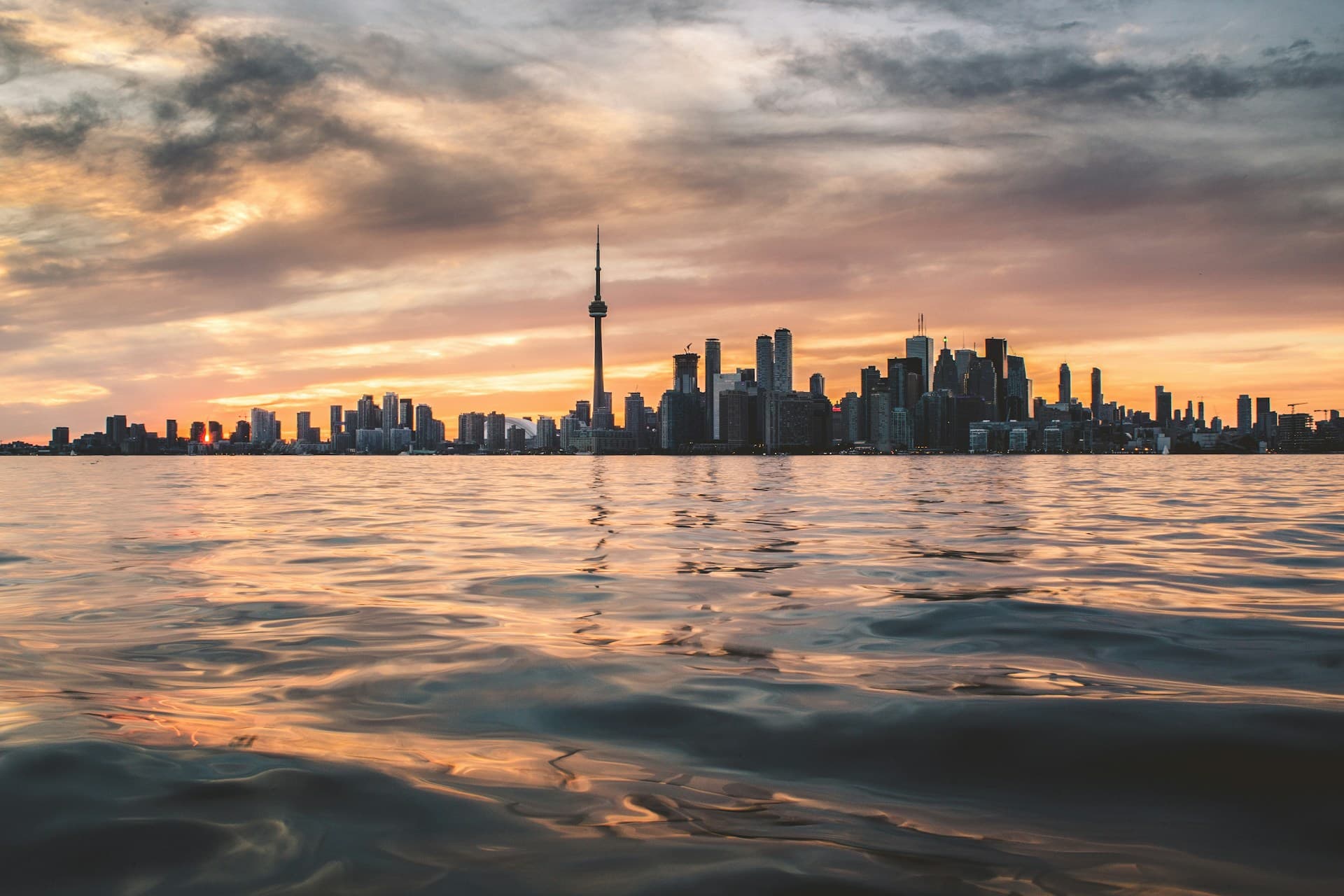
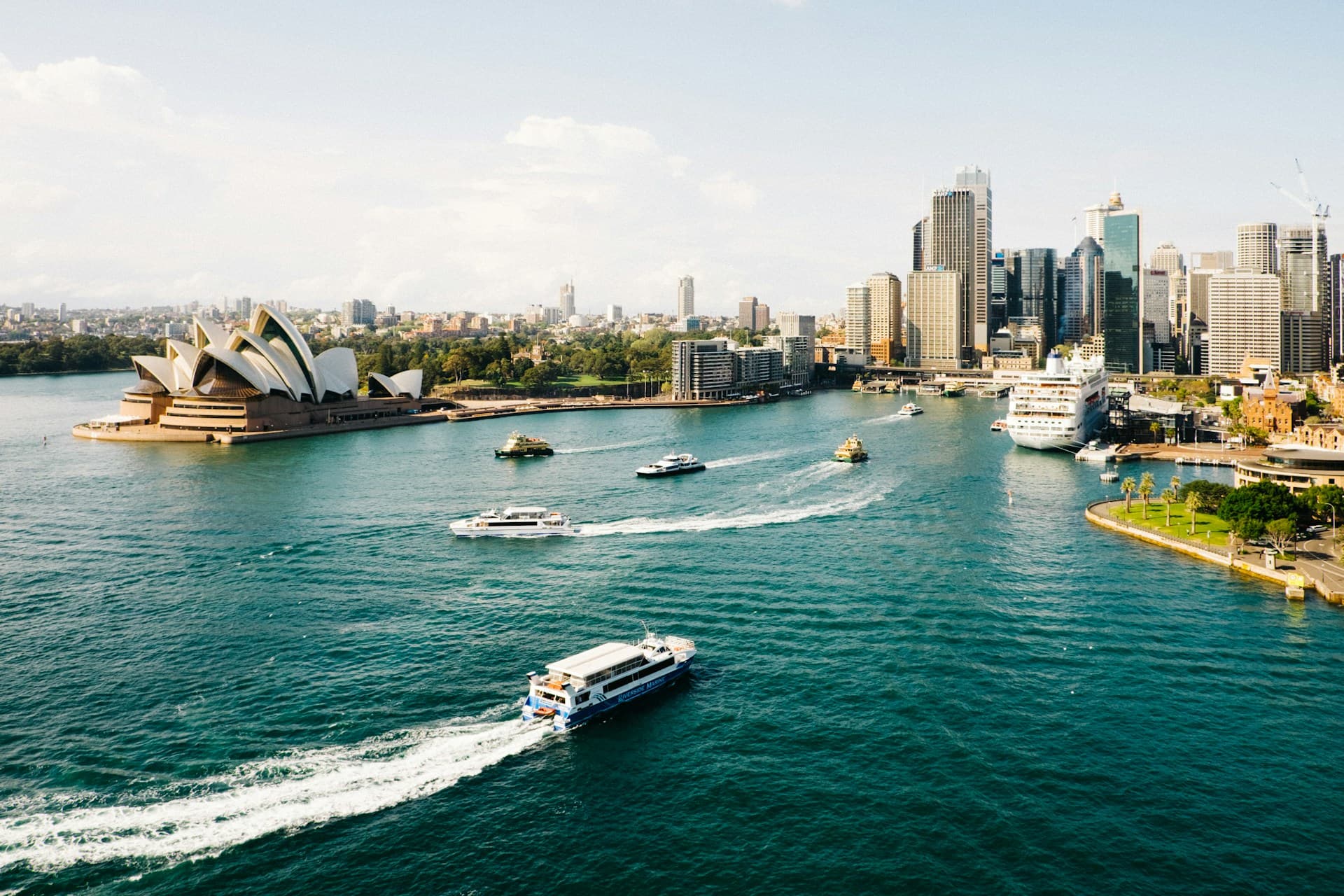
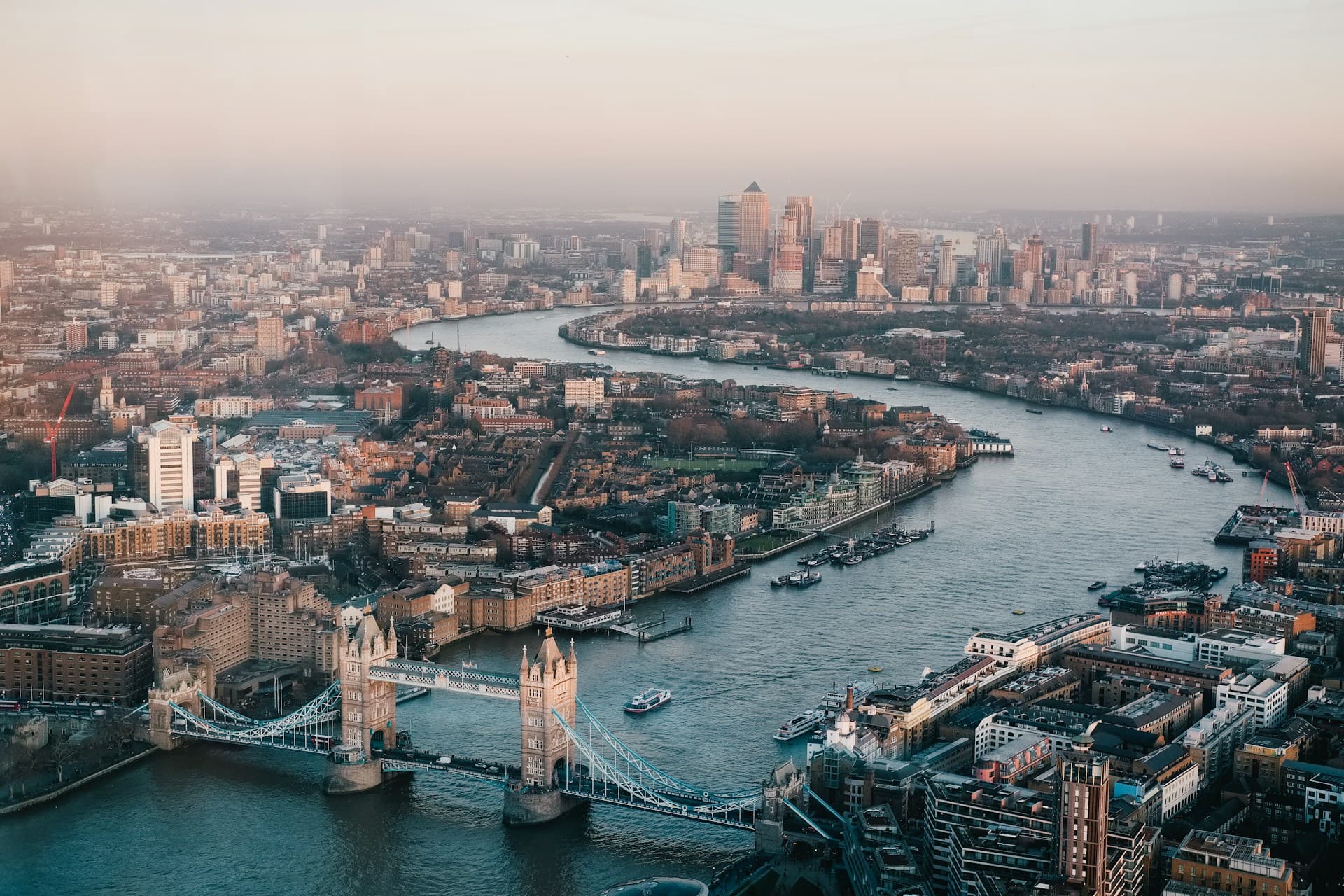
Not Set on a Destination Yet? Check Out Some of Our Other Country Guides
Banking and Finances
Opening a Canadian bank account.
Major banks (RBC, TD, Scotiabank, BMO, CIBC) all offer newcomer banking packages with no-fee accounts, unsecured credit cards, and preferential terms for the first year. You can often start the account-opening process from India through the bank's international website or newcomer program. Bring your passport, PR confirmation (COPR) or work permit, and proof of Canadian address.
NRI banking in India.
Upon becoming a non-resident, convert your Indian savings accounts to NRO or NRE accounts. This is a regulatory requirement under FEMA (Foreign Exchange Management Act). Your Indian bank can handle the conversion. NRE accounts offer tax-free interest in India and full repatriation, making them the preferred vehicle for maintaining savings in India.
Transferring money.
For large transfers (initial settlement funds, property sale proceeds), use specialized services like Wise, Remitly, or your bank's wire transfer service. The INR/CAD exchange rate and transfer fees vary significantly between providers. For a transfer of ₹50 lakh or more, the difference in exchange rate markup can be tens of thousands of rupees. RBI's Liberalised Remittance Scheme (LRS) allows Indian residents to remit up to USD 250,000 per financial year, which covers most settlement transfer needs.
Credit history.
Your Indian credit score (CIBIL) does not transfer to Canada. You start from zero. Newcomer credit cards from major banks are unsecured but have low limits (typically CAD $1,000-2,000). Building a Canadian credit score takes 6-12 months of on-time payments. Some banks participate in the CIBC/RBC newcomer programs that consider international credit history for mortgage pre-approval.
Retirement accounts.
Canada's RRSP (Registered Retirement Savings Plan) is tax-deferred, similar in concept to India's PPF. The TFSA (Tax-Free Savings Account) allows tax-free growth with no restriction on withdrawals. Both are excellent vehicles for long-term savings and should be opened as soon as you have a Social Insurance Number (SIN). Indian PPF, NPS, and EPF accounts can generally be maintained as an NRI, though contribution rules and tax treatment change.
Social Insurance Number.
You need a SIN to work legally in Canada and to open investment accounts. Apply at a Service Canada office with your immigration documents. Processing is typically same-day.
Cost of living.
Toronto and Vancouver are the most expensive cities, with housing costs rivaling or exceeding many global cities. A one-bedroom apartment in downtown Toronto rents for CAD $2,000-2,800/month. Smaller cities (Calgary, Ottawa, Halifax, Winnipeg) are significantly more affordable. Groceries cost more than in India, but Indian grocery stores are widespread in major cities, stocking familiar brands and fresh produce.
Moving Logistics
Shipping household goods.
Sea freight from India to Canada (typically Mumbai or Chennai to Toronto/Vancouver) takes six to eight weeks. A 20-foot container costs approximately USD $3,000-6,000 depending on origin port, destination, and shipping line. Personal effects and household goods are duty-free under Canada's Settlers' Effects provisions if you owned and used them before immigration. Complete Form BSF186 (Personal Effects Accounting Document) at your port of entry, listing everything you are bringing. Goods arriving later are declared on Form BSF186A (Goods to Follow).
What to bring and what to leave.
Electronics with Indian plugs will need adapters (Canada uses Type A/B, 120V). Indian appliances designed for 220V will need voltage converters or should be replaced. Winter clothing from India is almost certainly insufficient for Canadian winters. Kitchen items, personal effects, and sentimental belongings are worth shipping. Large furniture is often cheaper to buy locally than to ship.
Customs restrictions.
Food items are heavily regulated by the Canadian Food Inspection Agency (CFIA). Most fresh fruits, vegetables, dairy, and meat products are prohibited. Packaged dry goods (spices, lentils, rice) are generally allowed but may be inspected. Declare everything on your customs form. Failing to declare food items can result in fines.
Driver's license.
Indian driver's licenses are not directly exchangeable in most Canadian provinces. You will typically need to pass a written knowledge test and a road test. Ontario requires a full graduated licensing process (G1, G2, G) but may exempt you from the waiting periods if you have significant driving experience. British Columbia and Alberta have similar requirements. An International Driving Permit (IDP) is valid for a limited period after arrival.
Pets.
Dogs and cats from India need a valid rabies vaccination certificate. Canada does not require a rabies antibody titer test for pets from India (unlike the EU). A veterinary health certificate issued within the prescribed period before travel is required. There is no quarantine for dogs and cats meeting these requirements. Airline policies vary for pet transport. Air India and some international carriers offer pet cargo services on the India-Canada route.
Flights and arrival.
Direct flights from Delhi and Mumbai to Toronto and Vancouver are available on Air Canada and Air India. Flight time is approximately 14-16 hours. Book one-way if you are immigrating permanently, as return ticket requirements do not apply to PR holders. Upon arrival, you will complete the landing formalities at the port of entry, where your COPR is processed and your PR status is confirmed.
Cultural Adjustment
Weather.
This is the single biggest adjustment for most Indian immigrants. Canadian winters are long and severe. Toronto sees temperatures of -10°C to -20°C in January. Winnipeg and Edmonton can drop to -30°C or colder. Vancouver is milder (rarely below 0°C) but wet and grey for months. Invest in proper winter gear before your first winter: insulated boots, a down parka, thermal layers, and quality gloves. Budget CAD $500-1,000 for winter clothing. Seasonal Affective Disorder is common among newcomers from tropical climates. A light therapy lamp and vitamin D supplements help.
Indian community.
Canada has one of the world's largest Indian diaspora communities. Indian grocery stores, temples, gurdwaras, mosques, cultural associations, and community organizations are present in every major city. Brampton, Surrey, and parts of Scarborough have especially large South Asian populations. Finding familiar food, cultural events, and community support is straightforward.
Workplace culture.
Canadian workplaces emphasize flat hierarchies, direct communication, and work-life balance in ways that differ from many Indian corporate environments. Calling your manager by their first name is standard. Meetings are expected to start on time. The culture of staying late at the office to show dedication is less common. Many Indians find the pace slower but the boundaries healthier.
Credential recognition.
Indian degrees are generally recognized for immigration purposes (through WES or other designated credential assessment organizations), but professional credentials may not be directly recognized for practice. Regulated professions (engineering, medicine, nursing, accounting, law) require additional certification, exams, or bridging programs in Canada. Engineers must be licensed by the provincial engineering regulator (PEO in Ontario, EGBC in BC). Medical professionals face the longest re-certification process. Research the requirements for your specific profession before moving.
Driving.
Canadian roads are well-maintained but driving in winter conditions (ice, snow, reduced visibility) requires adjustment. Winter tires are mandatory in some provinces (Quebec, BC mountain highways). Right-hand traffic is the same as India, but lane discipline, speed limits, and traffic enforcement are significantly stricter. Driving test pass rates for newcomers are moderate. Practice in a Canadian driving school.
Social integration.
Building a social circle outside the Indian community takes deliberate effort. Joining local sports leagues, volunteering, neighbourhood associations, and community centres accelerates integration. Many newcomers find that their initial social network is heavily Indian, which provides comfort but can slow broader integration. Canadian small talk revolves around weather, hockey, and weekend plans.
Language.
English proficiency among Indian immigrants is generally high, but Canadian English has distinct vocabulary and pronunciation. "Washroom" (not "bathroom" or "restroom"), "toque" (winter hat), "loonie" and "toonie" (one- and two-dollar coins), and "double-double" (coffee with two creams and two sugars) are everyday terms. French is useful if you settle in Quebec or bilingual areas of Ottawa/New Brunswick.
Frequently Asked Questions
Compare Canada
Visa guides for Canada
Sources
- Immigration, Refugees and Citizenship Canada — Express Entry system overview including Federal Skilled Worker, Federal Skilled Trades, and Canadian Experience Class programs, CRS scoring, language testing requirements (IELTS/CELPIP), and category-based selection draws. (published 2025-06-01, accessed 2026-04-17)
- Immigration, Refugees and Citizenship Canada — Provincial Nominee Program overview, including the 600-point CRS boost for Express Entry-linked nominations and province-specific streams. (published 2025-06-01, accessed 2026-04-17)
- Immigration, Refugees and Citizenship Canada — Study permit application requirements, Post-Graduation Work Permit eligibility, and recent policy changes including study permit caps and institutional eligibility restrictions. (published 2025-06-01, accessed 2026-04-17)
- Immigration, Refugees and Citizenship Canada — Work permit categories including LMIA-based and LMIA-exempt permits, Global Talent Stream processing targets, and intra-company transfer requirements. (published 2025-06-01, accessed 2026-04-17)
- Canada Revenue Agency — Canadian tax residency determination based on significant residential ties, worldwide income taxation for residents, Form T1135 foreign property reporting requirements, and filing deadlines. (published 2025-01-01, accessed 2026-04-17)
- Department of Finance Canada — Canada-India Double Taxation Avoidance Agreement provisions for employment income, rental income, capital gains, and the foreign tax credit mechanism. (published 2025-01-01, accessed 2026-04-17)
Prepare for Your Move to Canada
Connect with immigration consultants and settlement advisors who specialize in helping Indian nationals relocate to Canada.
Get Started