Moving to Australia from the Philippines
Visa pathways, tax obligations, healthcare transition, and settlement logistics for Filipinos relocating to Australia.
2026-04-17
Visa Pathways for Filipinos
Australia uses a points-based system for most skilled migration visas. Filipino applicants typically enter through employer-sponsored or skilled independent pathways [1]. There is no bilateral free-movement arrangement between the Philippines and Australia, so you need a visa before you travel.
Skilled Independent Visa (Subclass 189).
Points-tested, no employer sponsor required. You need a skills assessment from the relevant assessing authority (e.g., Engineers Australia for engineers, ANMAC for nurses, ACS for IT professionals), a minimum of 65 points on the SkillSelect points test, and an occupation on the Medium and Long-term Strategic Skills List [1]. Points are awarded for age, English proficiency, work experience, qualifications, and other factors. This visa grants permanent residence [1].
Employer Sponsored (Subclass 482 and 186).
The Temporary Skill Shortage visa (subclass 482) requires a sponsoring Australian employer and an occupation on the skills list [2]. The 482 can lead to permanent residence through the Subclass 186 (Employer Nomination Scheme) after meeting service requirements [2]. The Subclass 494 (Skilled Employer Sponsored Regional) targets regional areas and also provides a permanent residence pathway [2].
Skilled Nominated (Subclass 190).
Similar to the 189 but requires nomination by a state or territory government. Each state publishes its own occupation list and may have additional requirements such as living in a specific region or having relevant work experience in that state's priority sectors.
Student visa to skilled migration.
A common pathway for Filipinos: complete an Australian qualification on a student visa (Subclass 500), then apply for a Temporary Graduate visa (Subclass 485) for post-study work rights, then transition to a skilled visa. Australian qualifications earn bonus points on the SkillSelect test [1].
Family stream.
If you have an Australian citizen, permanent resident, or eligible New Zealand citizen as a partner or family member, you may be eligible for a Partner visa (Subclass 820/801) or other family-stream visa. Processing times for partner visas are long. Check the Department of Home Affairs website for current estimates.
Philippine exit requirements.
The Department of Migrant Workers (DMW) requires Overseas Filipino Workers to obtain an Overseas Employment Certificate (OEC) before departure [3]. If you are migrating permanently (as opposed to temporary work), you may be exempt from OEC requirements, but confirm with the DMW. The Bureau of Immigration requires a travel tax payment (currently PHP 1,620 for economy class) unless you hold an exemption.
Tax Obligations
The Philippines taxes residents on worldwide income. Once you cease to be a Philippine tax resident by establishing permanent residence abroad, you are taxed only on Philippine-source income [1]. Australia taxes residents on worldwide income from the date you become an Australian tax resident [2].
Becoming an Australian tax resident.
The ATO applies several tests. If you move with the intention of living in Australia permanently, you become a tax resident from your arrival date. Australian tax residents receive a tax-free threshold of AUD 18,200 and pay the Medicare levy of 2% on taxable income [2].
The Australia-Philippines Tax Treaty.
The double taxation agreement between Australia and the Philippines prevents double taxation through foreign tax credits and allocation of taxing rights [3]. Dividends, interest, and royalties from the Philippines are subject to reduced withholding rates under the treaty. The treaty also covers pensions and government service income.
Philippine tax clearance.
If you have business interests in the Philippines, you may need a tax clearance certificate from the Bureau of Internal Revenue (BIR) before departing [1]. Employees whose only income is salary with proper withholding generally do not need separate clearance. Self-employed individuals, business owners, and professionals with BIR registrations should file final returns and formally close their RDO registration if ceasing Philippine tax residency.
SSS and Pag-IBIG.
Your Social Security System (SSS) contributions remain in your account. You can continue voluntary contributions as an overseas Filipino member, or leave the balance to grow until you reach retirement age and claim benefits [4]. Pag-IBIG (HDMF) contributions similarly remain on record and can be withdrawn under specific conditions after membership maturity.
Australian superannuation.
Your employer contributes to super at the Superannuation Guarantee rate, which is set by legislation and increases on a published schedule. This is in addition to your salary. You choose a super fund or get a default MySuper fund. Unlike SSS, super is invested in market-linked funds, and you generally cannot access it until you reach preservation age. Check the ATO website for the current rate and preservation age applicable to your birth year.
Remittances.
Money sent to the Philippines from Australia is not taxed in Australia. The Philippines does not tax inward remittances from overseas Filipinos. Transfer services like Wise, Remitly, and the major banks offer PHP corridors with varying fees and exchange rates.
Healthcare Transition
Philippine health insurance (PhilHealth).
Your PhilHealth membership can be continued as an overseas member by paying voluntary contributions. This maintains coverage for dependents in the Philippines and provides access to PhilHealth benefits if you return. Many overseas Filipinos maintain PhilHealth for family coverage.
Medicare enrollment.
Once you hold a qualifying visa (permanent residence, or certain temporary visas with reciprocal agreement coverage), you are eligible for Medicare. Enroll at a Services Australia office with your passport, visa grant letter, and proof of Australian address. Permanent residents get full Medicare coverage. The Philippines does not have a Reciprocal Health Care Agreement with Australia, so temporary visa holders from the Philippines generally need private health insurance until they obtain permanent residence.
Private health insurance.
Required for most temporary visa holders from the Philippines. Employer-sponsored visa holders (subclass 482) typically need Overseas Visitor Health Cover (OVHC). Student visa holders must maintain Overseas Student Health Cover (OSHC) as a visa condition. Once you have permanent residence and Medicare, private insurance becomes optional but provides benefits for dental, optical, ambulance, and private hospital treatment.
The coverage gap.
Between leaving the Philippines and qualifying for Medicare, you need coverage. If arriving on a permanent visa, Medicare starts from arrival. If on a temporary visa, arrange OVHC or OSHC before departure. Some Philippine-based international insurers (Pacific Cross, AXA Philippines) offer global policies, but these may not meet Australian visa requirements.
Prescription medicines.
Australia uses the Pharmaceutical Benefits Scheme (PBS) to subsidize prescription medicines for Medicare enrollees. The general copayment is AUD 31.60 per script (2024-25). Bring documentation of your current medications with generic names. Some medications common in the Philippines may have different brand names or require a new prescription from an Australian doctor.
Not Set on a Destination Yet? Check Out Some of Our Other Country Guides
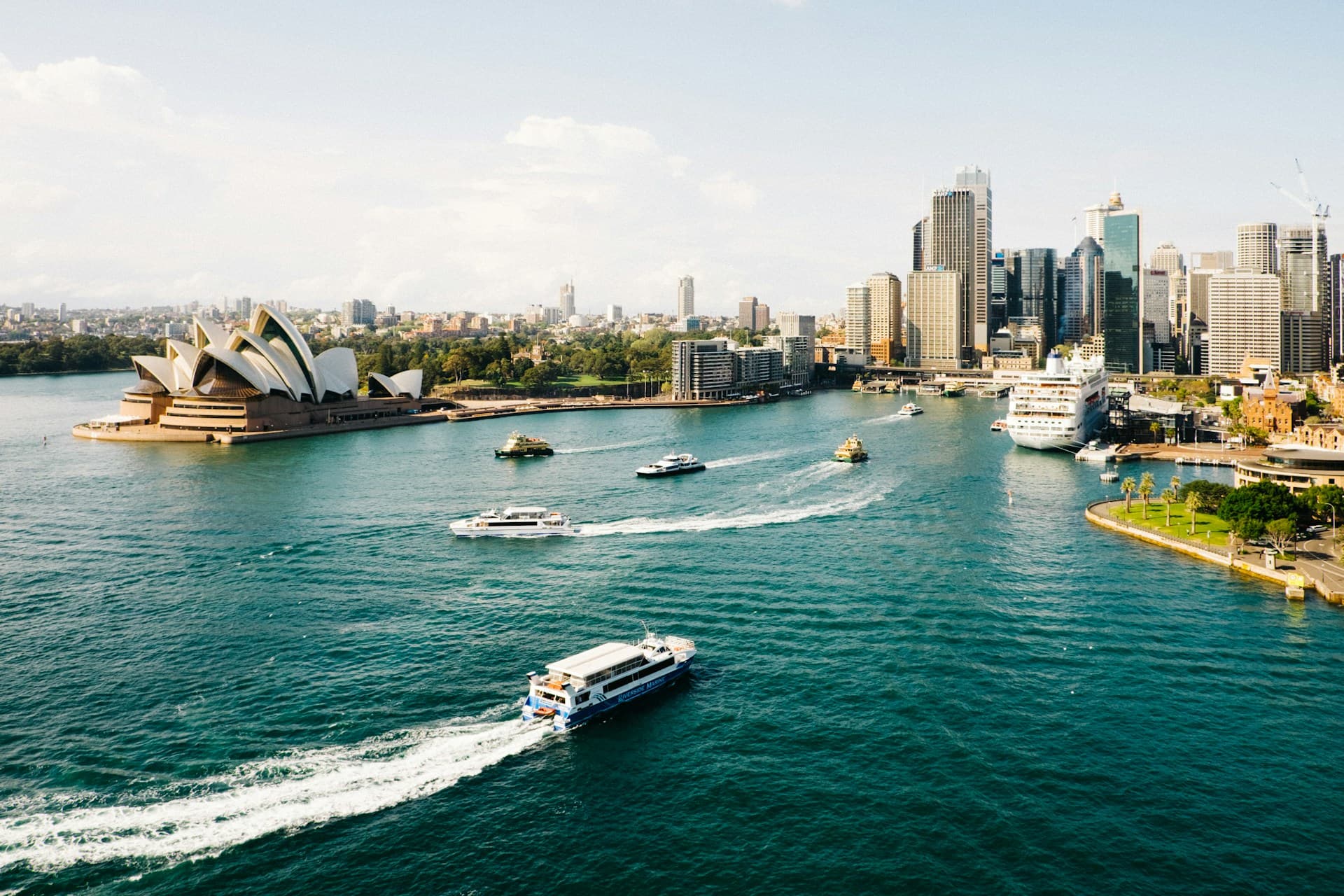
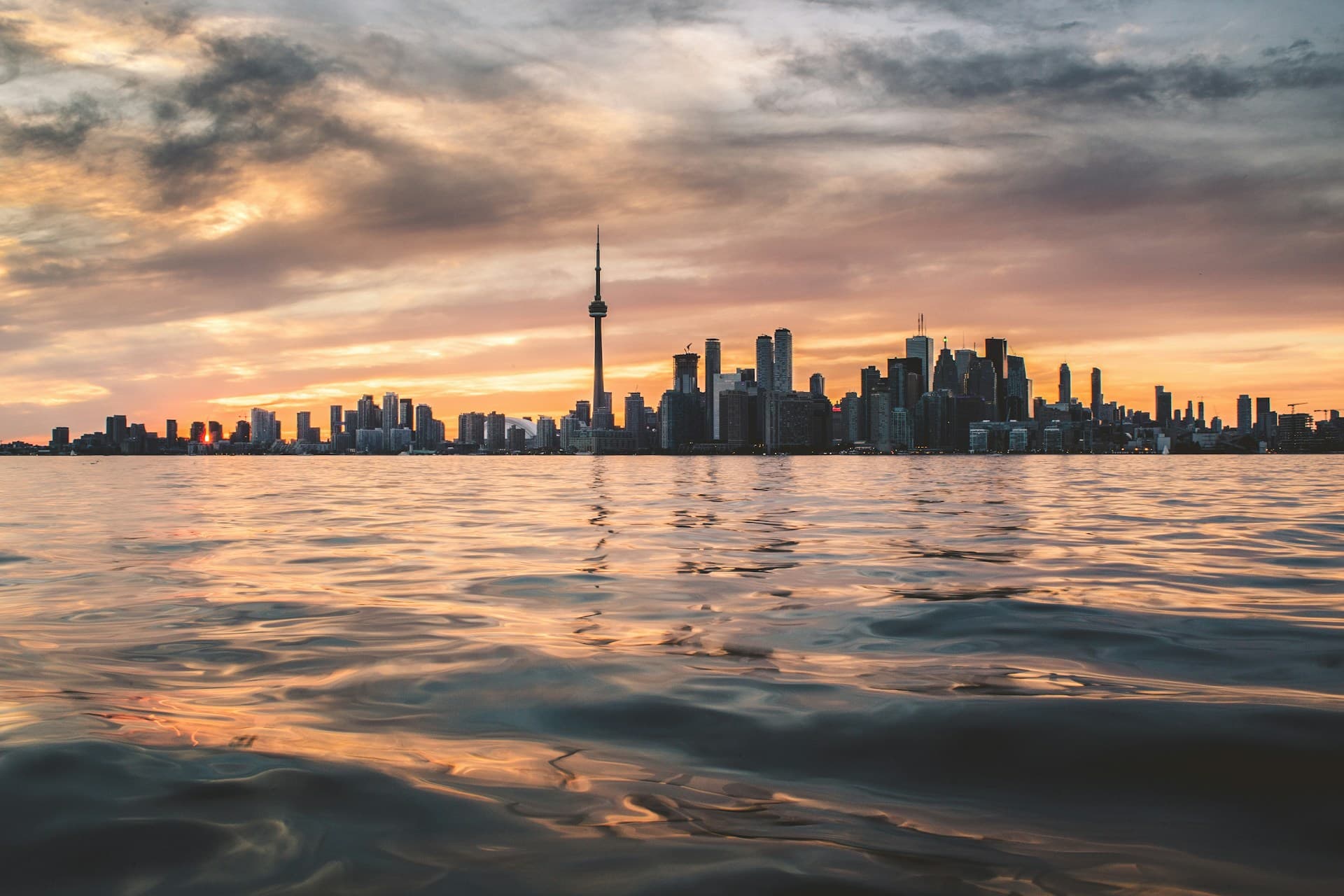
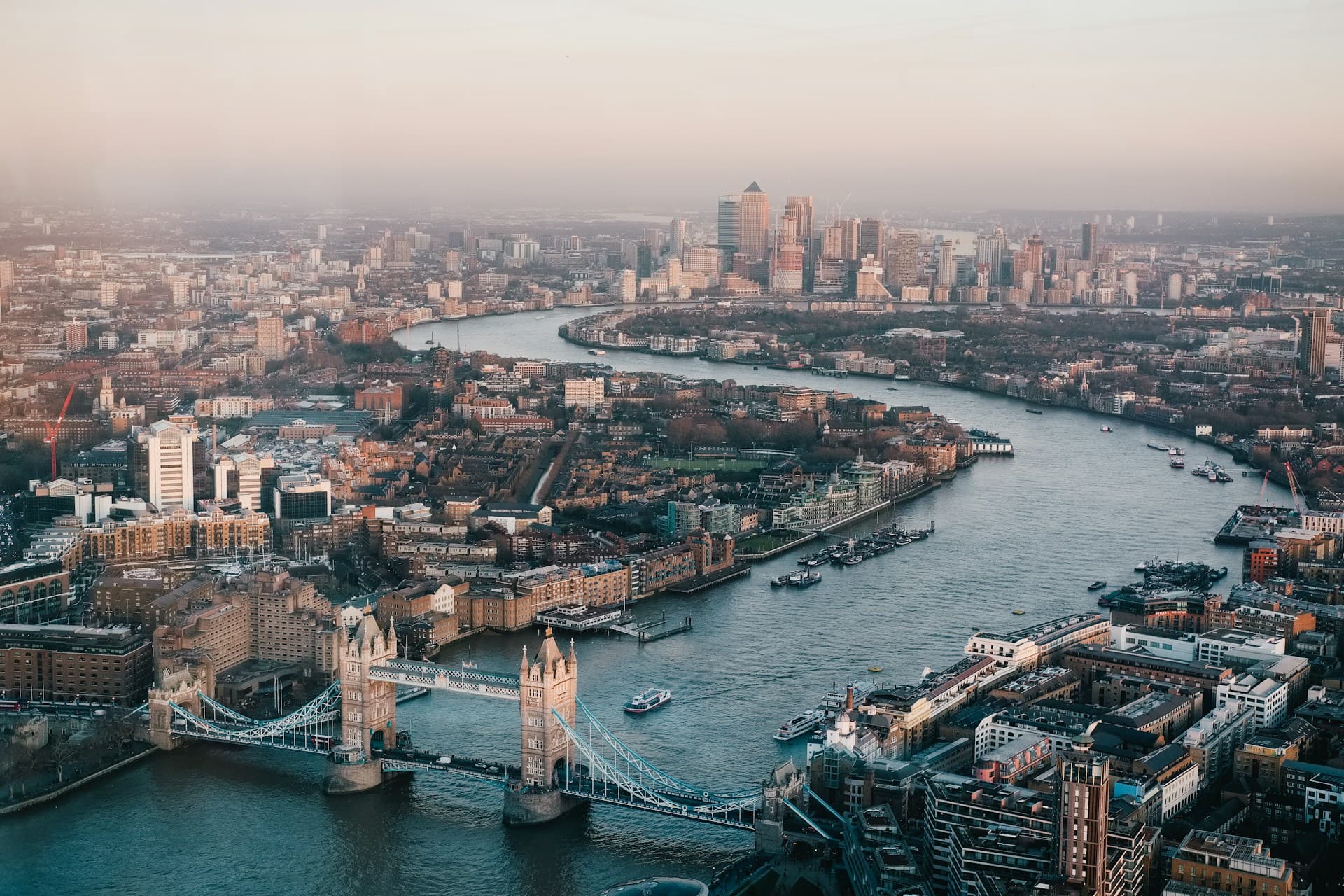
Banking and Finances
Opening an Australian bank account.
Commonwealth Bank, Westpac, NAB, and ANZ all accept new arrivals. You can open an account online before arriving using your passport. Within 100 days of opening, visit a branch with your passport and visa to verify your identity. After 100 days, you need the full 100-point ID check.
Keeping Philippine accounts.
Most Filipinos maintain at least one Philippine bank account for family support, SSS contributions, and property management. BDO, BPI, and Metrobank all allow accounts to be maintained while overseas. Some banks offer dollar accounts that are convenient for remittances.
Remittance costs.
Sending money from Australia to the Philippines is a competitive corridor with many options. Banks charge AUD 10-25 per transfer plus exchange rate margins. Digital services (Wise, Remitly, WorldRemit) typically offer lower fees (AUD 3-8) and better exchange rates. Compare the total cost (fee plus exchange rate spread) rather than just the fee.
Credit history.
Philippine credit history does not transfer to Australia. You start with no Australian credit file. Building credit takes 12-18 months. Some banks offer secured credit cards or products for new arrivals. Afterpay and similar buy-now-pay-later services can help establish credit faster.
Tax File Number (TFN).
Apply online through the ATO after arrival. Without a TFN, your employer withholds at the highest marginal rate plus Medicare levy. The application is free and takes about 28 days to process.
Dual citizenship and property.
Under RA 9225, Filipinos who acquire Australian citizenship can retain or re-acquire Philippine citizenship. This allows you to own land in the Philippines, which is otherwise restricted for foreign nationals. Dual citizenship has no impact on your Australian banking or tax obligations.
Moving Logistics
Shipping household goods.
A 20-foot container from Manila to Sydney or Melbourne costs approximately USD 2,000-5,000 for ocean freight, plus customs clearance and local delivery in Australia (typically AUD 1,000-3,000 additional). Transit time is 2-4 weeks. Door-to-door services handle customs documentation on both ends. Get at least three written quotes.
Customs in Australia.
Personal belongings owned and used for 12 months or more are generally duty-free under the unaccompanied personal effects concession. New items, gifts, and goods purchased for resale are subject to duty and GST (10%). Australia's biosecurity rules are strict: all food, wooden items, and plant-based materials must be declared. Undeclared items result in fines from AUD 626.
Balikbayan boxes.
Several Filipino-run logistics companies (LBC, JRS, Forex) ship consolidated cargo between Australia and the Philippines. These services are primarily used for sending goods home but can also handle incoming shipments of personal effects.
Pet import.
The Philippines is a Group 3 country for Australian biosecurity. Dogs and cats require a rabies vaccination, blood titer test (at least 180 days before travel), microchip, parasite treatments, and a minimum 30-day quarantine at the Mickleham facility in Melbourne. The entire process from start to entry takes at least 7 months. Budget approximately AUD 5,000-8,000 for the full process including quarantine, transport, and veterinary costs. Plan early.
Flights.
Manila to Sydney is approximately 8 hours direct. Philippine Airlines and Qantas operate direct routes. Cebu Pacific offers connections via other Asian hubs. One-way fares range from PHP 15,000-50,000 depending on season and booking window. Baggage allowances vary significantly by carrier and fare class.
Driver's license.
You can drive on your Philippine license for 3-6 months depending on the state. After that, you must obtain a state license. Some states require a practical driving test for Philippine license holders. An International Driving Permit (IDP) issued in the Philippines can be used alongside your Philippine license during the initial period.
Cultural Adjustment
Filipino community in Australia.
Over 350,000 Filipino-born people live in Australia, making it one of the largest diaspora communities [1]. Major concentrations are in Sydney (Blacktown, Parramatta), Melbourne (Dandenong, Casey), Brisbane, and Perth. Filipino community organizations, churches, and cultural events are active in all major cities. This community infrastructure significantly eases settlement.
Workplace culture.
Australian workplaces are more informal and direct than Philippine corporate culture. First names are used from day one, including with senior managers. Meetings start on time. Disagreement is expressed openly. The concept of smooth interpersonal relations translates well, but excessive deference or indirectness can be misread as lack of confidence. Direct communication is valued.
English proficiency.
Filipinos generally have strong English skills, which is a major advantage during settlement. Australian English uses some unfamiliar slang and idioms, but these are learned quickly. The accent can take a few weeks to tune into fully, especially in regional areas. Tagalog and other Philippine languages are widely spoken in community settings in major cities.
Food and lifestyle.
Filipino groceries (rice brands, instant noodles, condiments, dried fish) are available at Asian supermarkets in all major cities. Filipino restaurants and bakeries operate in areas with large Filipino populations. The cost of food is higher than in the Philippines, but the availability of familiar ingredients is good in metropolitan areas.
Family and social structure.
The extended family support system that many Filipinos rely on is harder to replicate in Australia, particularly for new arrivals without existing family connections. Childcare costs are high (though subsidized through the Child Care Subsidy for eligible families). Aged care works differently. Many Filipinos bring parents over on parent visas, but these have long wait times (15-30 years for non-contributory, faster but expensive for contributory).
Climate.
Most of Australia is drier and has more extreme seasonal variation than the Philippines. Melbourne's weather changes rapidly within a single day. Sydney is more temperate. Brisbane and Darwin have tropical climates closer to what Filipinos are used to. Winter in southern cities (June-August) reaches single-digit temperatures, requiring warm clothing and higher heating costs.
Frequently Asked Questions
Compare Australia
Visa guides for Australia
Sources
- Australian Government Department of Home Affairs — Australia's points-based skilled migration system including Subclass 189 with SkillSelect points requirements (minimum 65 points) and Medium and Long-term Strategic Skills List. (published 2025-07-01, accessed 2026-04-17)
- Australian Government Department of Home Affairs — Temporary Skill Shortage visa (subclass 482) requirements including employer sponsorship, occupation list eligibility, and pathway to permanent residence through Subclass 186. (published 2025-07-01, accessed 2026-04-17)
- Australian Taxation Office — Australian tax residency tests, AUD 18,200 tax-free threshold for residents, and 2% Medicare levy on taxable income. (published 2025-07-01, accessed 2026-04-17)
- Australian Taxation Office — The Australia-Philippines Double Taxation Agreement prevents double taxation through foreign tax credits and reduced withholding rates on dividends, interest, and royalties. (published 2025-01-01, accessed 2026-04-17)
- Bureau of Internal Revenue, Philippines — Philippine tax residency rules: residents are taxed on worldwide income, non-residents only on Philippine-source income. BIR registration closure procedures for departing taxpayers. (published 2025-01-01, accessed 2026-04-17)
- Department of Migrant Workers, Philippines — Overseas Filipino Worker documentation requirements including the Overseas Employment Certificate (OEC) for departing workers. (published 2025-01-01, accessed 2026-04-17)
- Social Security System, Philippines — SSS overseas voluntary membership program allowing Filipinos abroad to continue social security contributions and maintain benefit eligibility. (published 2025-01-01, accessed 2026-04-17)
- Australian Bureau of Statistics — Over 350,000 Filipino-born people residing in Australia with concentrations in Sydney, Melbourne, Brisbane, and Perth metropolitan areas. (published 2024-12-01, accessed 2026-04-17)
Prepare for Your Move to Australia
Connect with relocation experts who help Filipinos navigate the Australian visa and settlement process.
Talk to a Relocation Expert