Freelance Visa Programs in 2026
Several countries offer visas specifically for self-employed professionals, allowing them to live and work independently with local clients. These are distinct from digital nomad visas, which are designed for remote workers serving foreign clients.
Last updated March 2026
Freelance Visa Programs Compared
These programs grant residence permits for self-employed professionals. Sort by any column to compare. Income thresholds and requirements vary by country and visa type.
| Country | Program | Min. Income ↑ | Duration | Path to PR | Processing |
|---|---|---|---|---|---|
United Arab Emirates | Green Visa - Freelancers | €84K /yr | 5 years | No | ~4 weeks |
Germany | Freelance Visa | — | 3 years | Yes | ~12 weeks |
Portugal | Entrepreneur Visa (D2) | — | 2 years | Yes | ~12 weeks |
Georgia | Individual Entrepreneur | — | — | Yes | ~1 weeks |
What Is a Freelance Visa?
A freelance visa is a self-employment residence permit that allows you to register as a freelancer or sole proprietor in the host country and serve local clients. It is distinct from an employment visa (no employer sponsor is needed) and from a digital nomad visa (which covers remote work for foreign clients). Freelance visa holders typically operate as independent contractors or run their own small businesses in-country.
Freelance Visa vs. Digital Nomad Visa
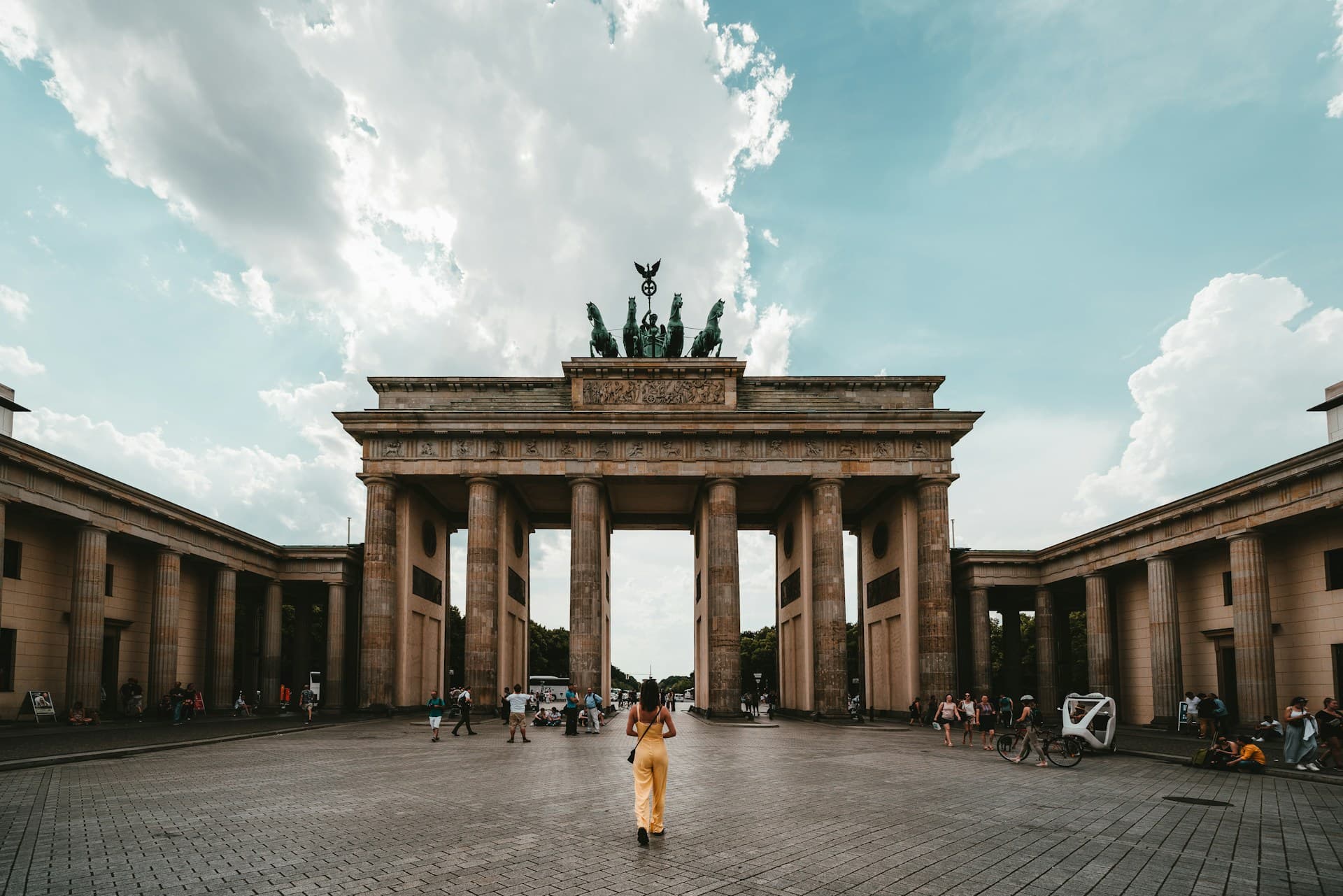
Digital nomad visas are for people who work remotely for a foreign employer or foreign clients. They are usually temporary (6 to 12 months), and most do not require local tax registration. Freelance visas, by contrast, are for self-employed professionals working in the local economy with local clients. They require business registration, often mandate tax registration, and many provide a path to permanent residency. Germany's freelance visa (Freiberufler) is a well-known example. Portugal's D7 visa can also accommodate freelancers who demonstrate stable income.
Tax and Business Registration
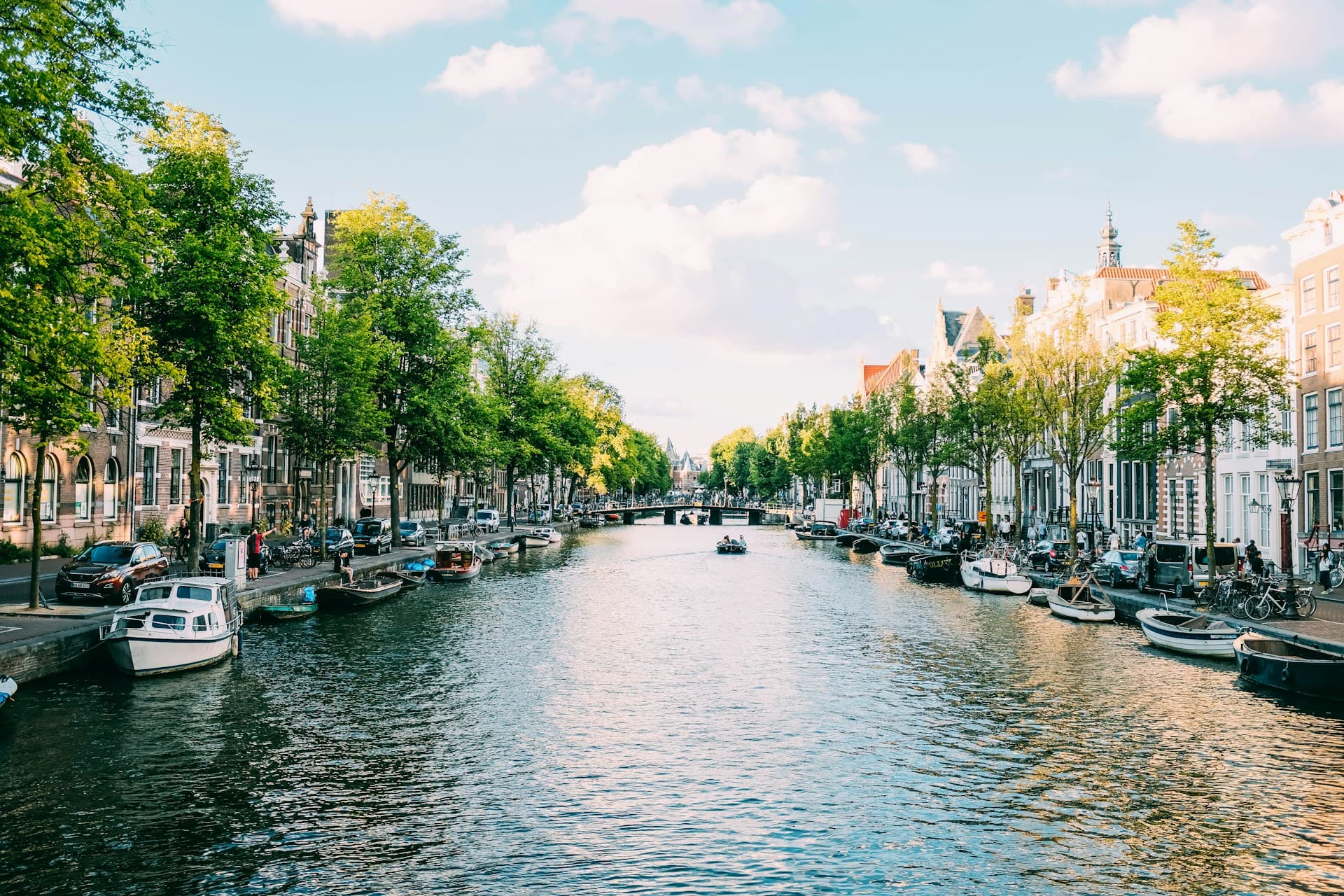
Most freelance visas require local business registration, tax registration, and proof of client contracts or income. Tax obligations vary significantly between countries. Germany requires registration with the local Finanzamt (tax office) and quarterly VAT filings. The Netherlands has the DAFT treaty, which offers a simplified path for US citizens to start a business with a low capital requirement. Some countries offer favorable tax regimes for newly arrived freelancers, though these vary in duration and scope.
Frequently Asked Questions
Related Resources
Blog Posts
Remote Work Setup in a New Country
WiFi First
Business Registration and Banking After Arrival
Open for Business
Explore Cities


Ready to Start Planning?
Explore tools, guides, and expert connections to help you plan your move.
Explore Resources